
Whether you are a beginner musician, podcaster, YouTuber, or professional music producer, choosing between an audio mixer Vs audio interface can be confusing. Understanding their features can help you make the right decision for your studio setup.
In this blog, we will compare audio mixers and audio interfaces in detail, explain their uses, and help you decide which device suits your need.
Table of Contents
What is an Audio Mixer?
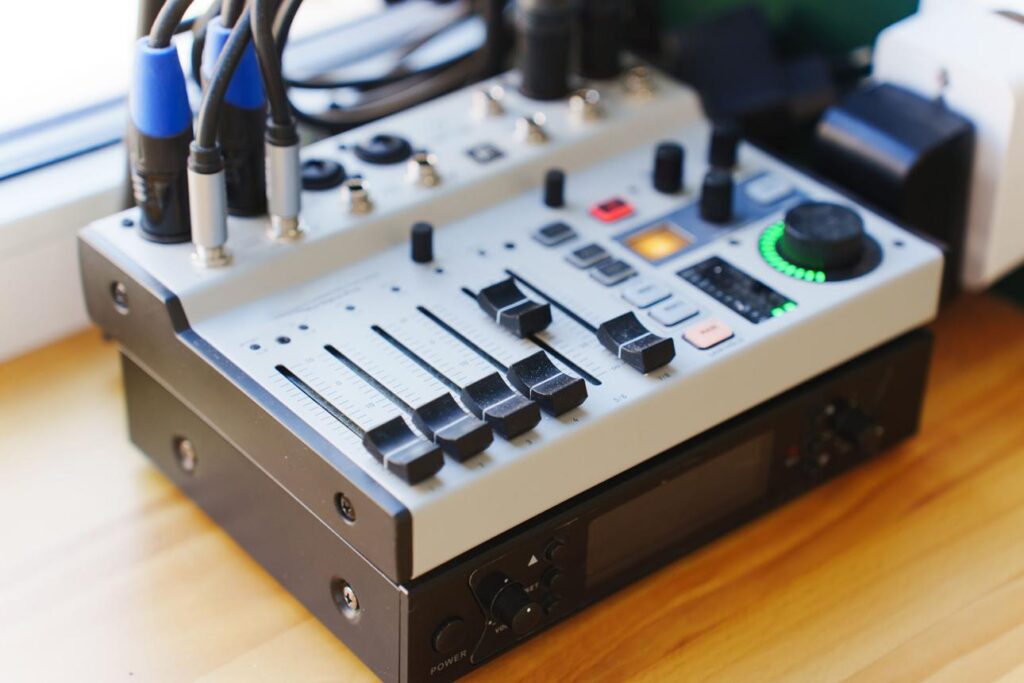
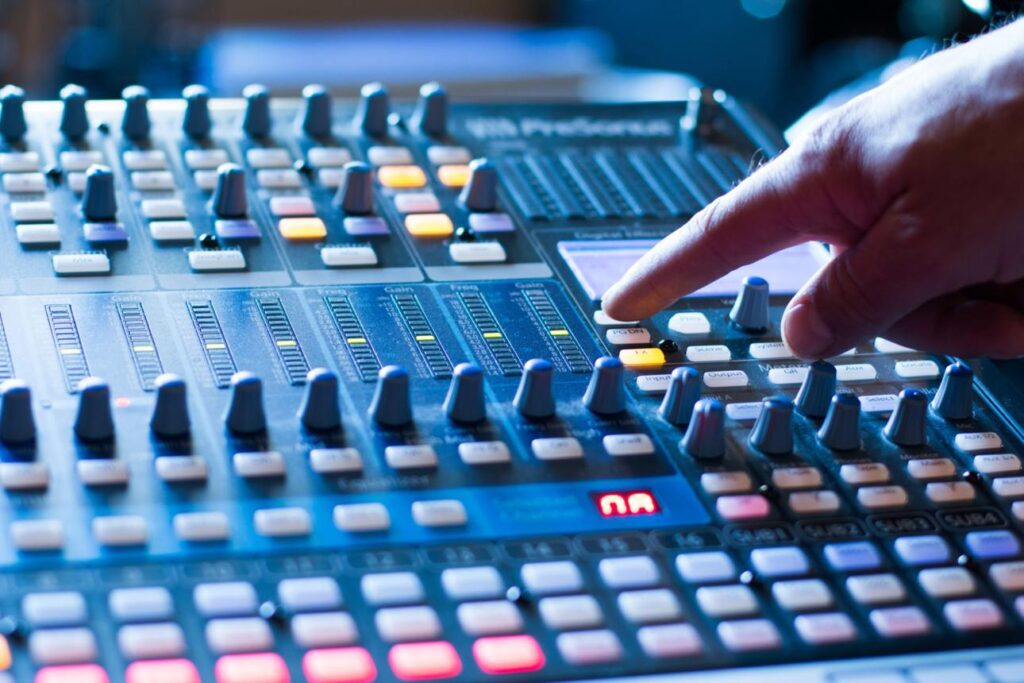
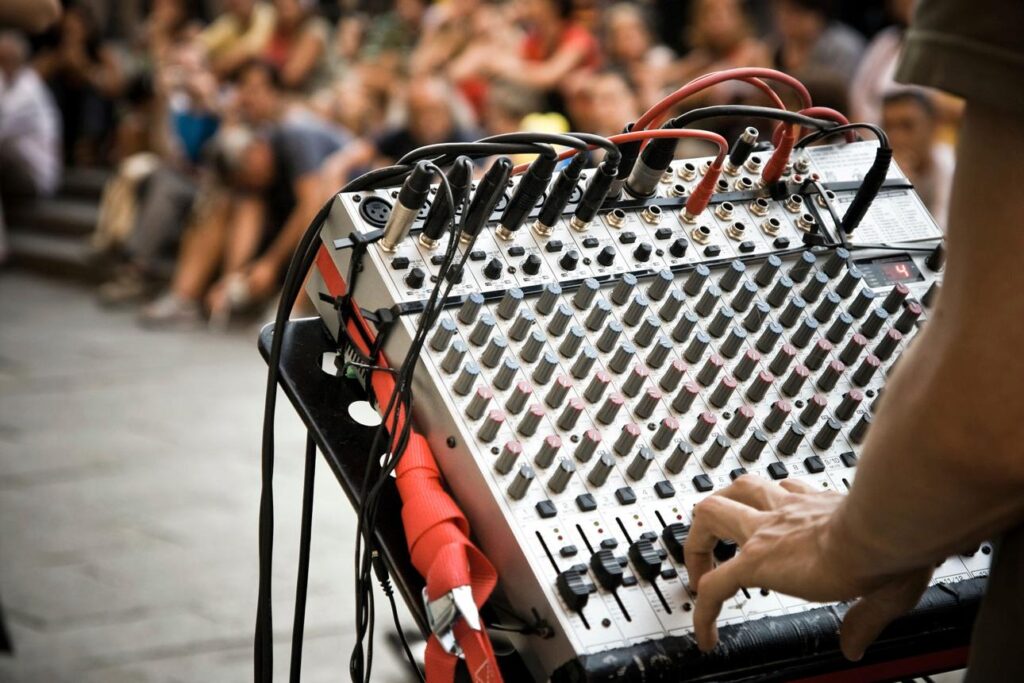
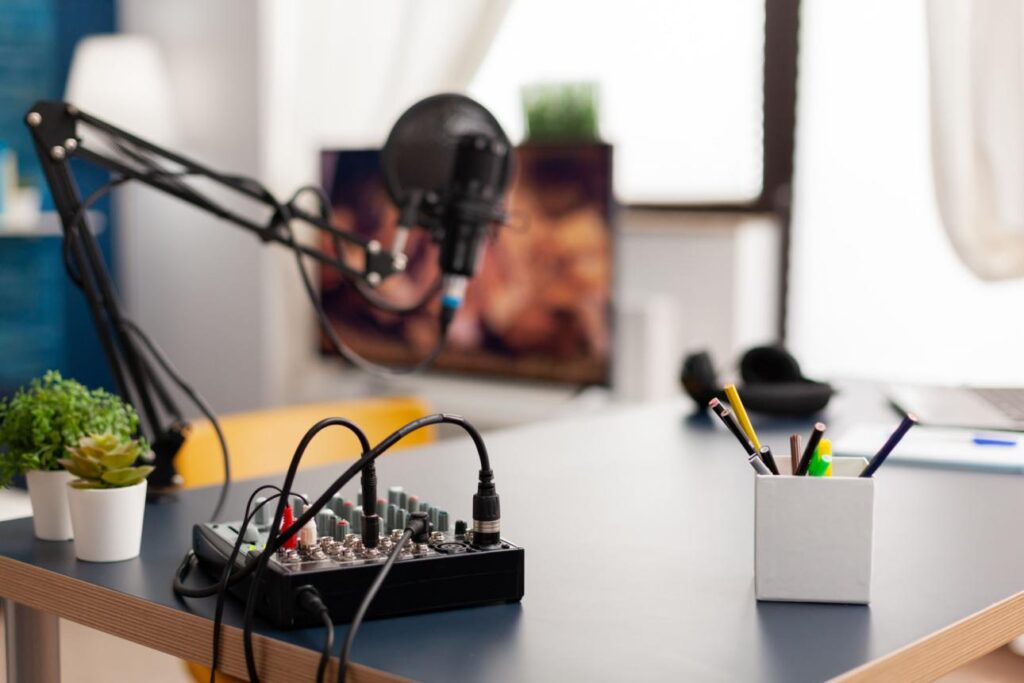
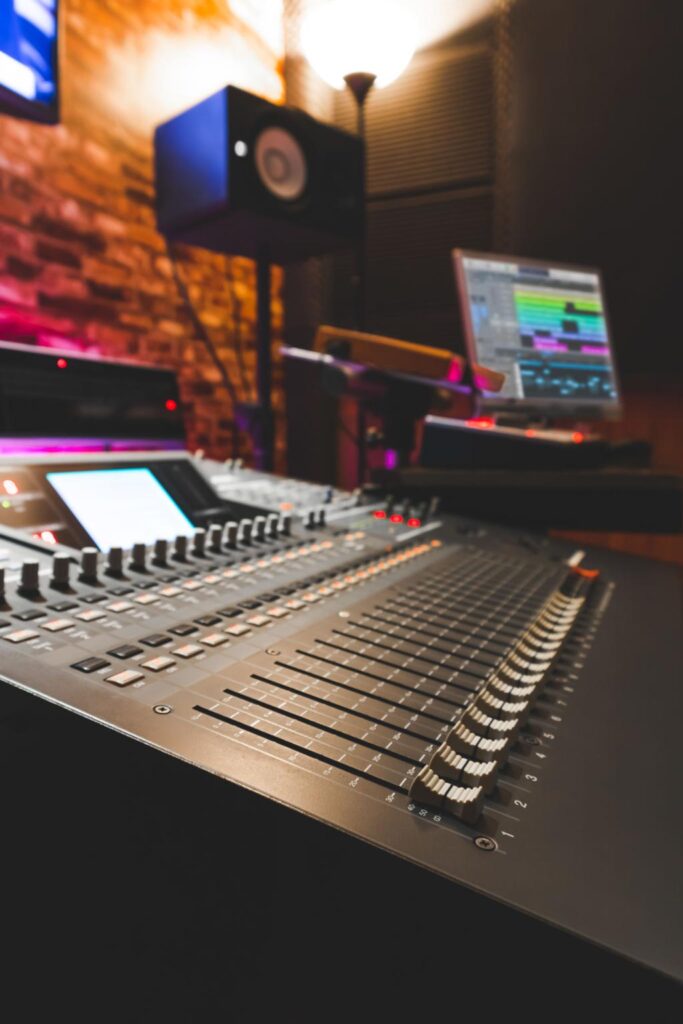
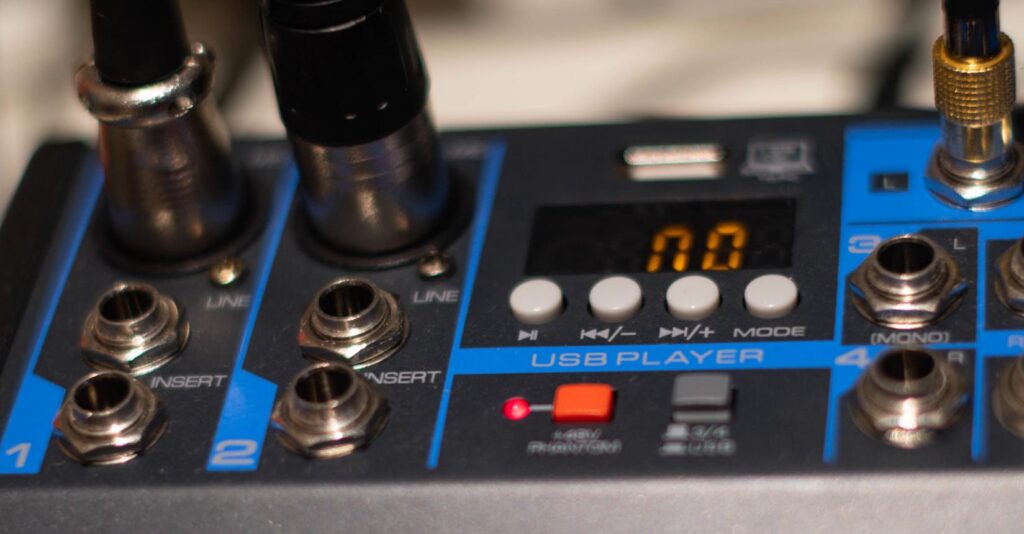
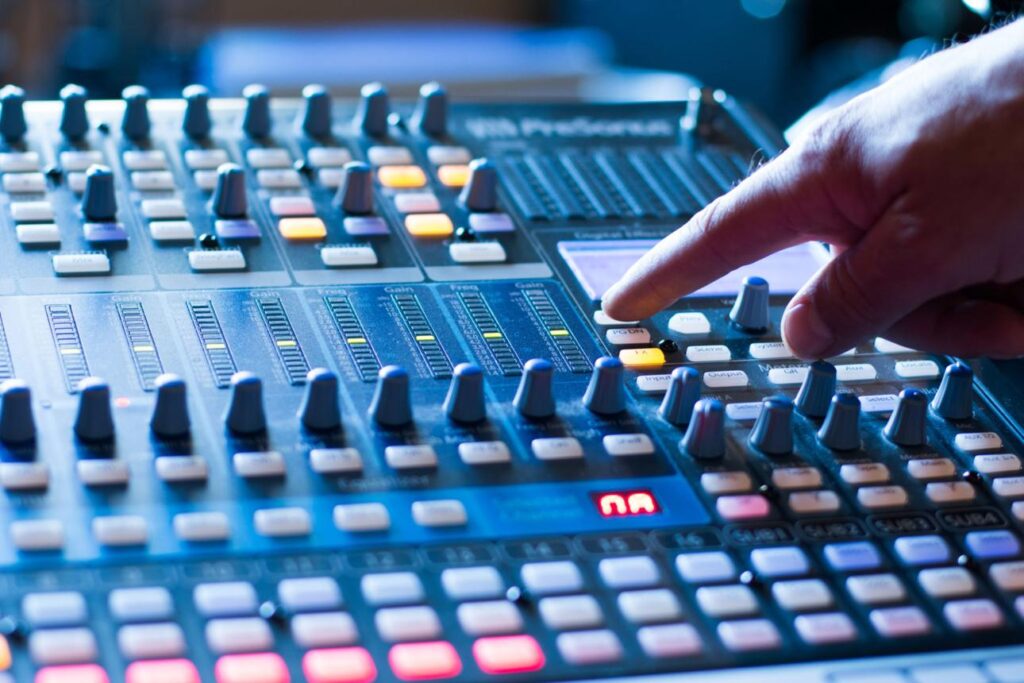
An audio mixer is an electronic device used to combine, adjust, and control multiple audio signals. It allows users to control volume levels, equalization (EQ), effects, and routing of sound sources.
Audio mixers are commonly used in:
- Live concerts
- Recording studios
- Podcasting
- Broadcasting
- DJ performances
Types of Audio Mixers
- Analog Mixers
- Digital Mixers
- Powered Mixers
6
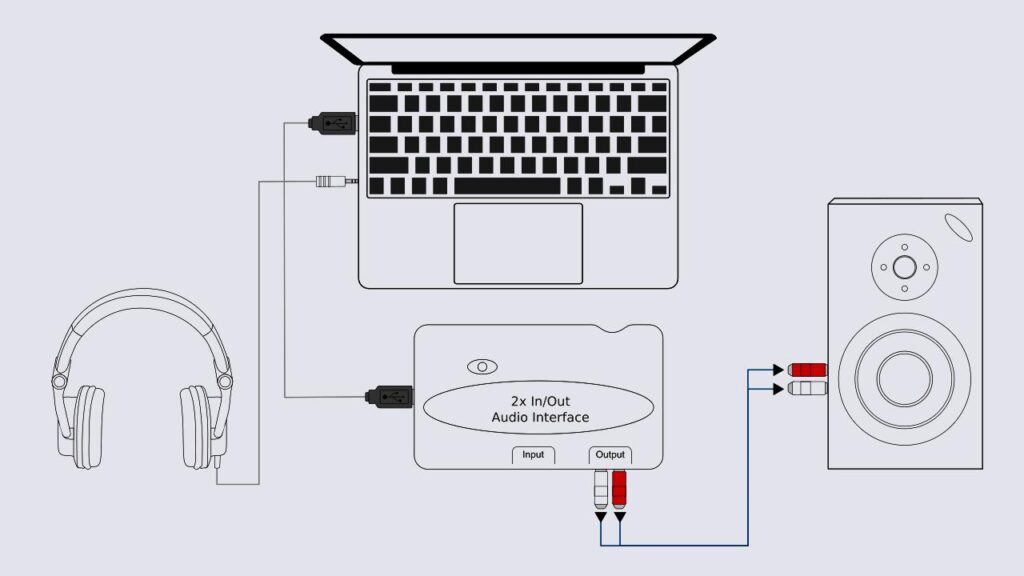
What is an Audio Interface?
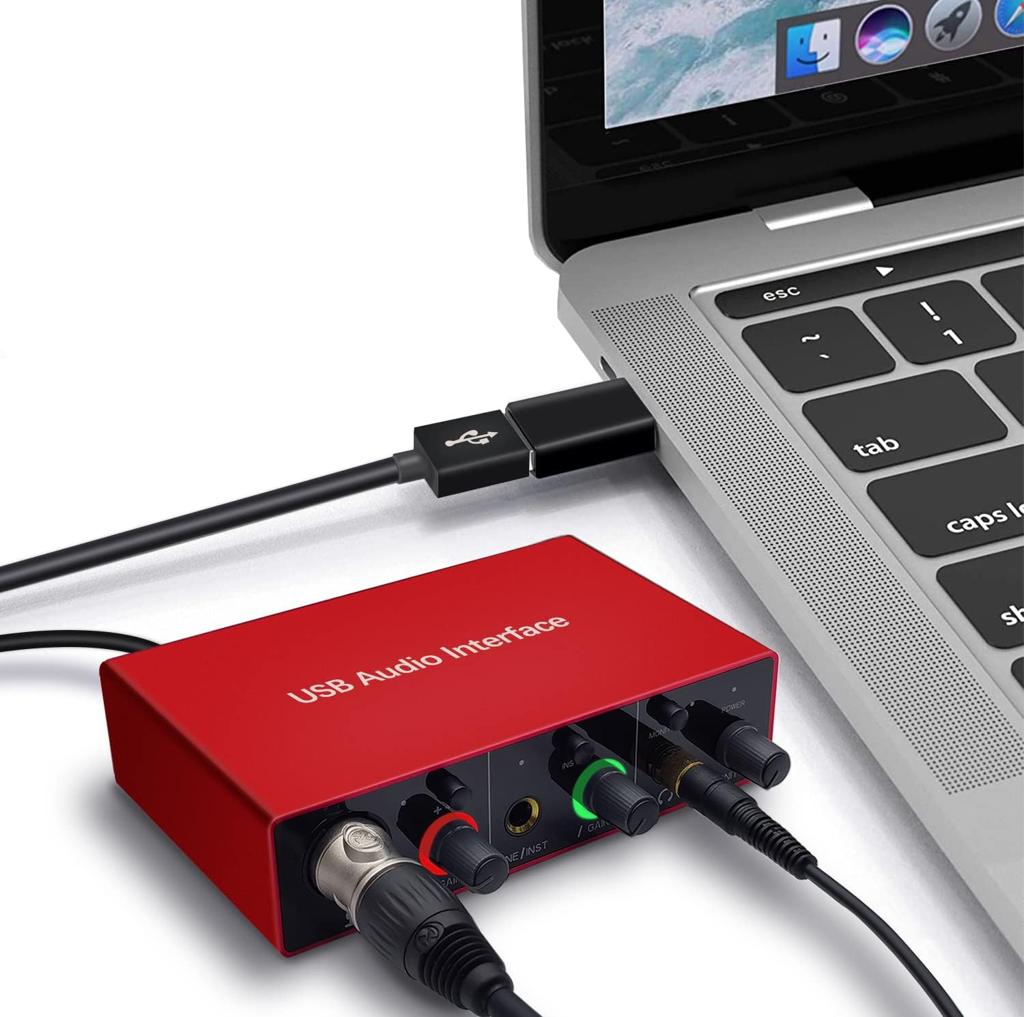
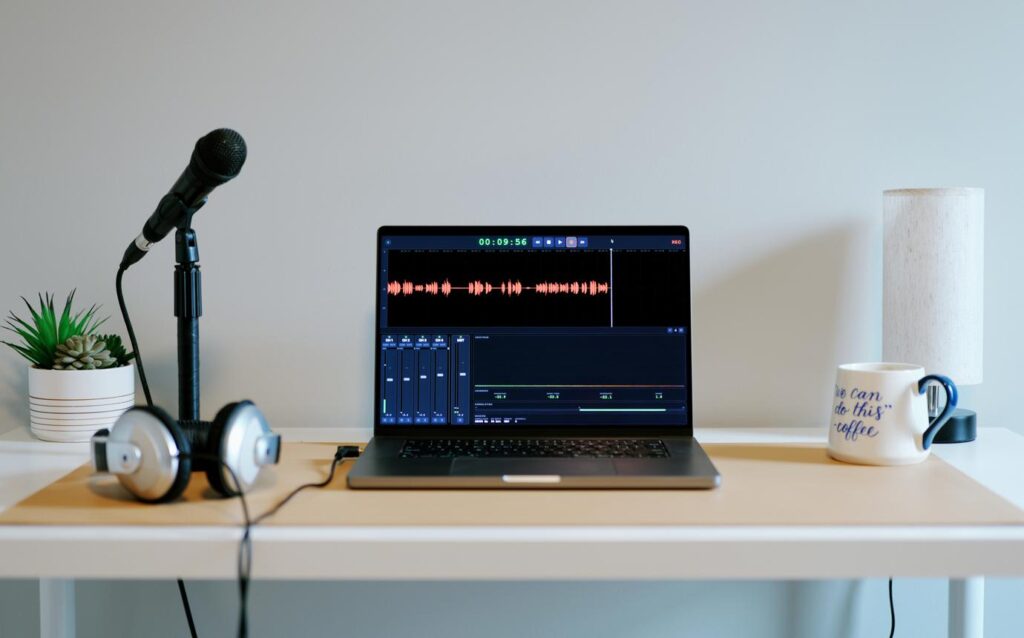
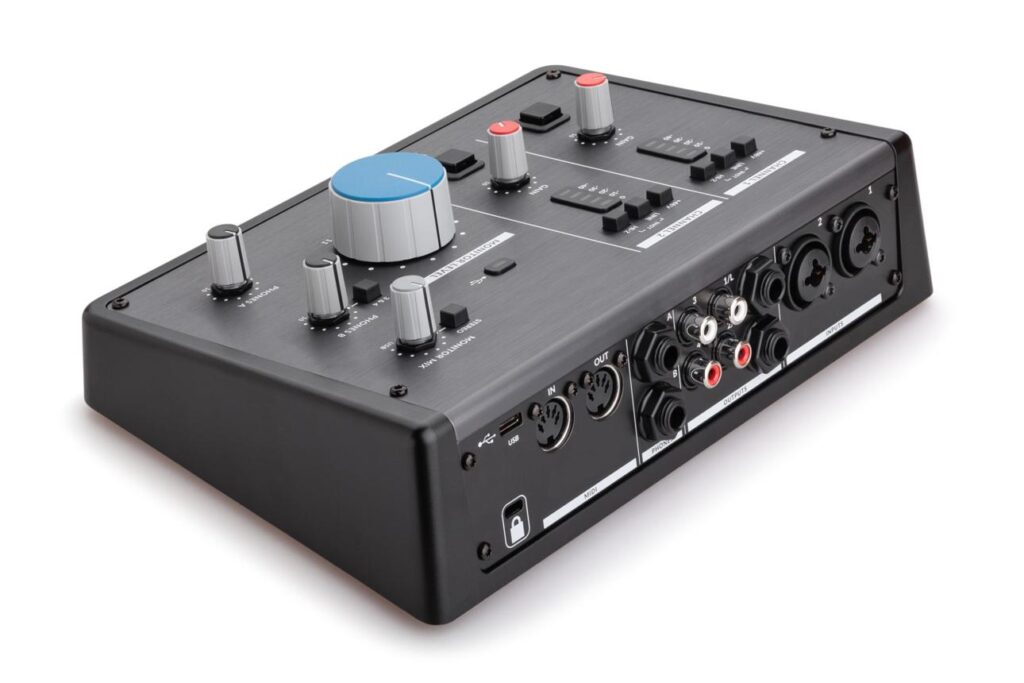
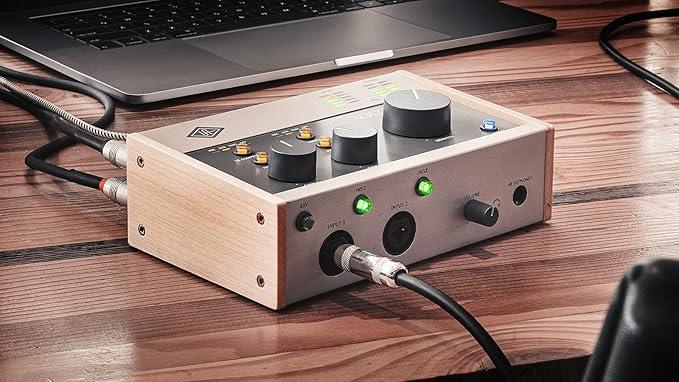
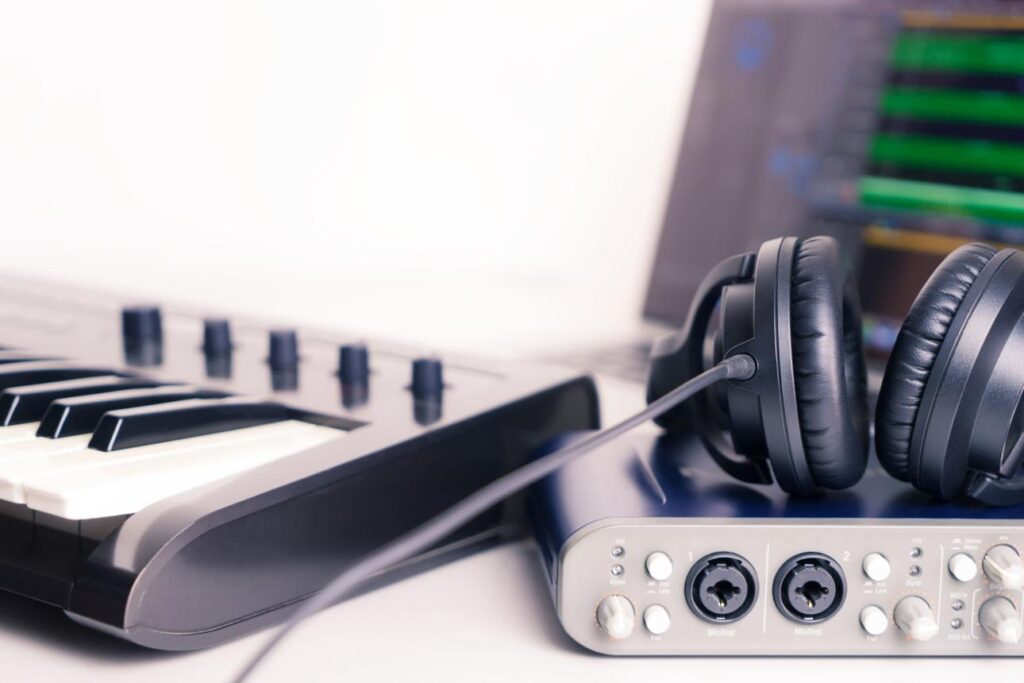
An audio interface is a hardware device that connects microphones, instruments, and speakers to a computer. Its primary function is converting analog audio signals into digital signals and vice versa.
Audio interfaces are mainly used for:
- Music recording
- Home studios
- Podcast production
- Voice-over recording
- Music production
Popular audio interfaces include USB, Thunderbolt, and FireWire interfaces.
5
Audio Mixer vs Audio Interface: Main Difference
The biggest difference between an audio mixer and an audio interface is their function.
| Feature | Audio Mixer | Audio Interface |
| Main Purpose | Mix and control audio signals | Convert analog audio to digital |
| Best For | Live sound and multiple inputs | Recording and music production |
| Built-in Effects | Usually available | Limited or none |
| Computer Connection | Optional | Essential |
| Recording Quality | Good | Excellent |
| Real-time Mixing | Yes | Limited |
| Portability | Larger | Compact |
Advantages of an Audio Mixer
1. Better Control Over Sound
Audio mixers provide complete control over sound levels, EQ, panning, and effects. This makes them ideal for live performances and studio sessions.
2. Multiple Inputs
Mixers can handle many microphones and instruments simultaneously. This is useful for bands, churches, events, and podcasts with multiple speakers.
3. Built-in Effects
Many mixers include built-in reverb, compression, delay, and equalizer controls.
4. Perfect for Live Sound
Mixers are designed for real-time sound adjustments during concerts and stage performances.
5. Flexible Routing
Advanced mixers allow users to route audio to different outputs and monitors easily.
6
Disadvantages of an Audio Mixer
1. Larger Size
Mixers are usually bulky and occupy more studio space.
2. Complex Operation
Beginners may find mixers difficult to understand because of the many controls and routing options.
3. Higher Cost
Professional digital mixers can be expensive.
4. Limited Recording Quality
Some mixers do not provide the same high-quality audio conversion as dedicated audio interfaces.
Advantages of an Audio Interface
1. Superior Recording Quality
Audio interfaces are designed specifically for recording. They provide high-resolution audio with low noise and excellent clarity.
2. Low Latency
Modern interfaces offer low-latency monitoring, which is important for singers and musicians during recording.
3. Compact and Portable
Most audio interfaces are lightweight and easy to carry.
4. Easy Computer Integration
Interfaces connect directly to recording software like:
- Ableton Live
- FL Studio
- Logic Pro
- Pro Tools
5. Better for Home Studios
For solo artists and small recording setups, audio interfaces are simple and efficient.
5
Disadvantages of an Audio Interface
1. Limited Inputs
Basic interfaces may only support one or two microphones at a time.
2. No Advanced Live Mixing
Interfaces are not ideal for live concerts or real-time mixing.
3. Fewer Built-in Effects
Most interfaces rely on software plugins instead of hardware effects.
4. Computer Dependency
Audio interfaces require a computer for most functions.
Which One is Better for Beginners?
If your goal is:
- Recording songs at home
- Podcasting
- Voice-over work
- YouTube content creation
Then an audio interface is usually the better choice.
However, if you:
- Perform live music
- Need multiple microphones
- Conduct live events
- Mix sound in real time
Then an audio mixer is more suitable.
Can You Use Both Together?
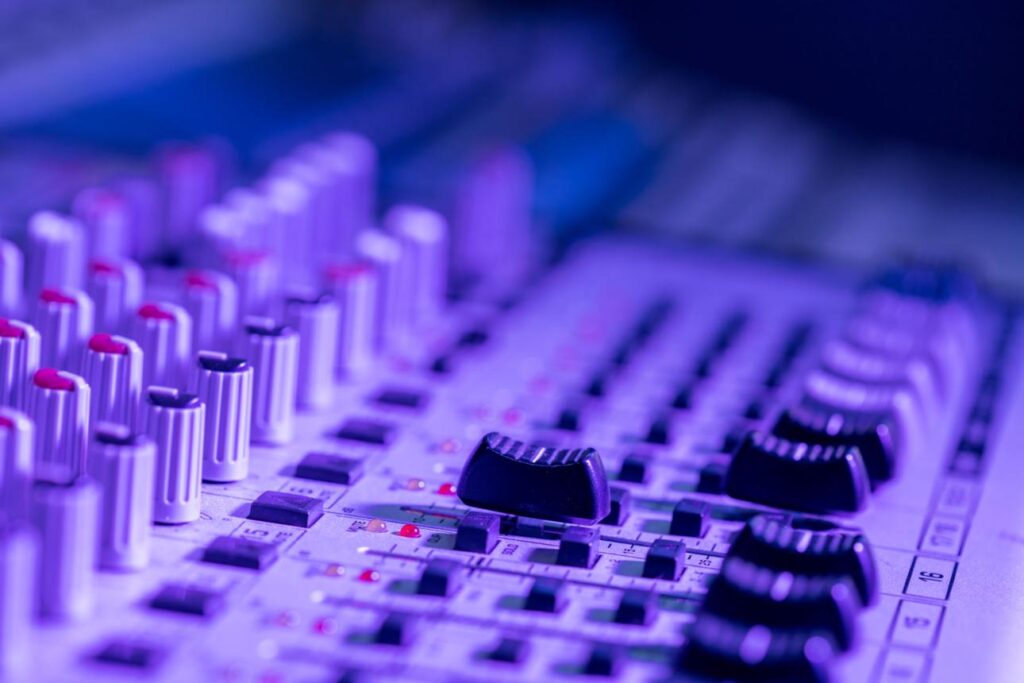
Yes. Many professional studios use both an audio mixer and an audio interface together.
The mixer handles:
- Multiple sound sources
- Live adjustments
- Effects
The audio interface manages:
- High-quality recording
- Computer connectivity
- Digital conversion
This combination provides maximum flexibility and professional sound quality.
6
Best Use Cases
Choose an Audio Mixer If:
- You perform live regularly
- You manage large audio setups
- You need many microphone inputs
- You want hardware control over sound
Choose an Audio Interface If:
- You record music at home
- You need high-quality audio recording
- You use recording software extensively
- You prefer a compact setup
Final Thoughts
Both audio mixers and audio interfaces are valuable tools in music production and sound engineering. The best choice depends on your needs, budget, and workflow.
An audio mixer is ideal for live performances, multiple audio sources, and real-time sound control. On the other hand, an audio interface is perfect for high-quality recording, home studios, and digital music production.
For beginners starting a home studio, an audio interface is often the easiest and most affordable option. Professional studios and live sound engineers may benefit more from using a mixer or even combining both devices.
Investing in the right equipment can greatly improve your audio quality and overall production experience.