
Today traditional marketing vs digital marketing is the hot topic. Marketing is an essential part of every business. It helps companies promote their products and services and connect with potential customers. Over the years, marketing strategies have evolved from traditional methods like newspapers and television advertisements to modern online strategies known as digital marketing. Today, businesses often compare traditional marketing vs digital marketing to determine which approach works best for reaching their audience and achieving business goals.
Both marketing methods have their own advantages and limitations. Traditional marketing has been used for decades and is still trusted by many companies. On the other hand, digital marketing has grown rapidly with the rise of the internet and social media platforms. Understanding the difference between these two forms of marketing helps businesses choose the right strategy for their growth.
Traditional Marketing vs Digital Marketing Overview
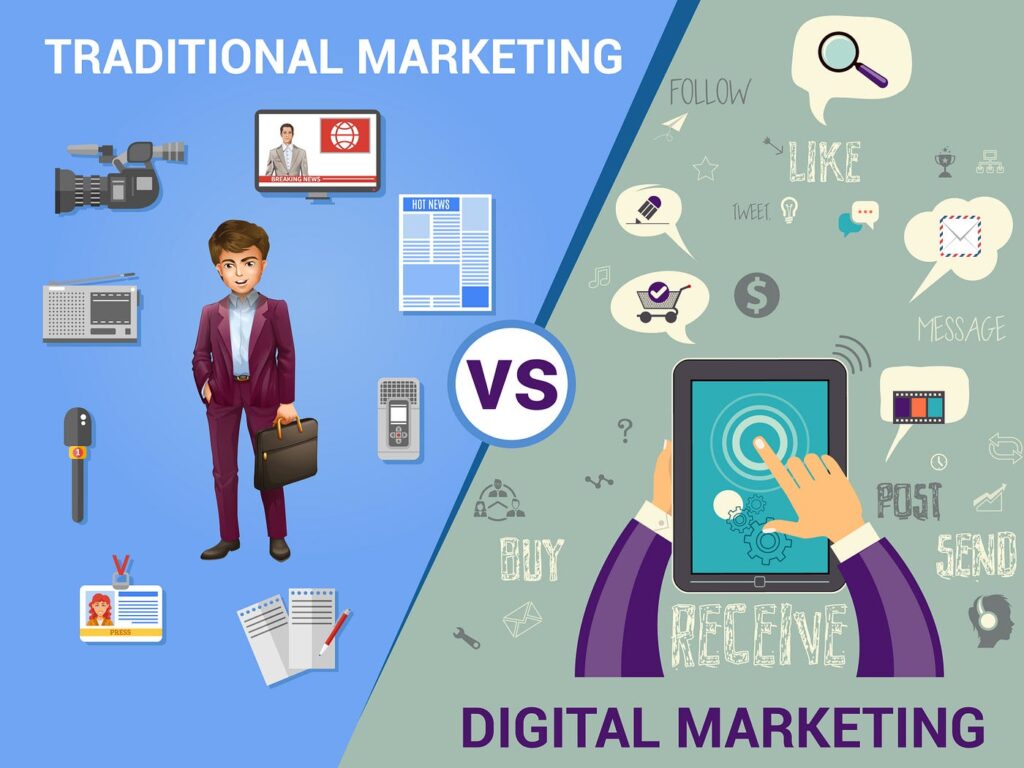
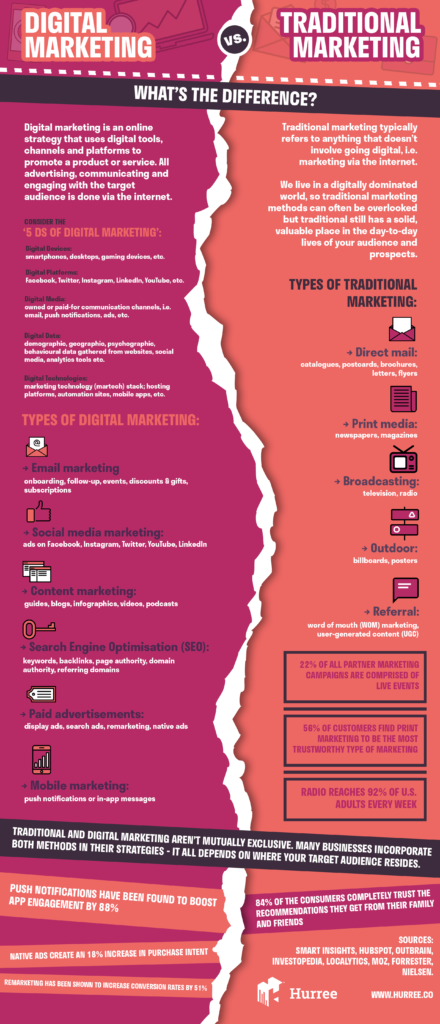
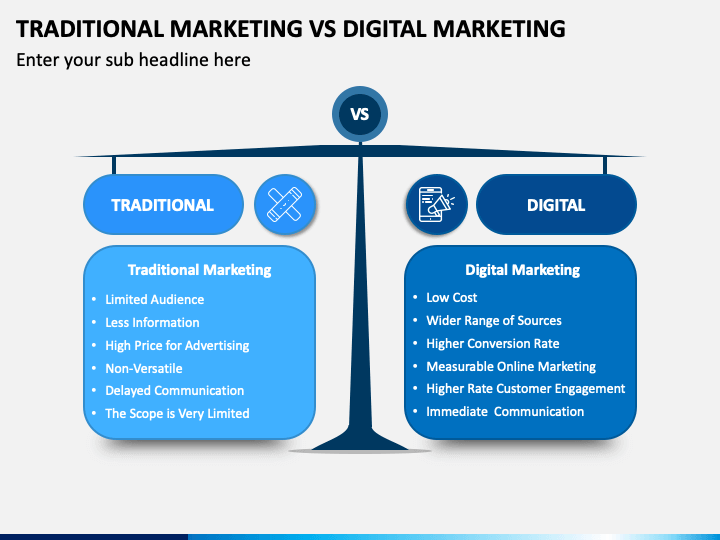
Traditional marketing vs Digital marketing .What is Traditional Marketing?
Traditional marketing refers to conventional methods of advertising that existed before the internet became popular. It involves promoting products and services through offline channels such as television, radio, newspapers, magazines, billboards, flyers, and direct mail.
Traditional marketing focuses mainly on reaching a broad audience. For example, a company may place an advertisement in a newspaper or run a commercial on television to promote its brand. These methods are effective for increasing brand awareness, especially for local audiences.
Traditional marketing vs Digital marketing. Examples of Traditional Marketing
Some common examples of traditional marketing include:
- Television commercials
- Radio advertisements
- Newspaper ads
- Magazine promotions
- Billboards and banners
- Brochures and pamphlets
- Event sponsorships
Advantages of Traditional Marketing
- Strong Brand Recognition
Traditional marketing methods like TV ads and billboards can create strong brand awareness because they reach a large number of people. - Trusted by Many Consumers
Many customers still trust print media and television advertisements more than online ads. - Effective for Local Marketing
Local businesses can use newspapers, flyers, or billboards to reach nearby customers effectively. - Simple and Easy to Understand
Traditional advertisements are straightforward and easy for people of all age groups to understand.
Traditional marketing vs Digital marketing. Disadvantages of Traditional Marketing
- High Cost
Advertising on television, radio, or in newspapers can be expensive, especially for small businesses. - Limited Audience Targeting
Traditional marketing targets a broad audience rather than specific groups of customers. - Difficult to Measure Results
It is hard to track how many people saw an advertisement or how many customers came because of it. - Less Interaction with Customers
Traditional marketing does not allow businesses to communicate directly with their audience.
What is Digital Marketing?
Digital marketing refers to promoting products or services using the internet and digital technologies. It includes online channels such as websites, search engines, social media platforms, email marketing, and online advertisements.
With the increasing use of smartphones and the internet, digital marketing has become one of the most powerful marketing tools. Businesses can reach customers globally and communicate with them instantly through digital platforms.
Examples of Digital Marketing
Some common digital marketing techniques include:
- Search Engine Optimization (SEO)
- Social Media Marketing
- Email Marketing
- Content Marketing
- Pay-Per-Click (PPC) Advertising
- Affiliate Marketing
- Influencer Marketing
Advantages of Digital Marketing
- Cost Effective
Digital marketing campaigns can be run with a smaller budget compared to traditional advertising. - Global Reach
Businesses can reach customers from different parts of the world through the internet. - Precise Audience Targeting
Digital marketing allows businesses to target specific audiences based on age, location, interests, and behavior. - Measurable Results
Tools like Google Analytics help marketers track campaign performance and measure results in real time. - Direct Interaction with Customers
Businesses can communicate with customers through social media comments, messages, and emails.
Disadvantages of Digital Marketing
- High Competition
Many businesses are competing online, making it harder to stand out. - Requires Technical Knowledge
Digital marketing requires skills such as SEO, content creation, and data analysis. - Dependence on Internet Access
Without internet access, digital marketing campaigns cannot reach customers. - Privacy Concerns
Customers may be concerned about how their personal data is used online.
Key Differences Between Traditional Marketing and Digital Marketing
| Feature | Traditional Marketing | Digital Marketing |
| Medium | Offline channels (TV, radio, print) | Online platforms (websites, social media) |
| Cost | Usually expensive | More affordable |
| Audience Reach | Limited to a specific area | Global reach |
| Targeting | Broad audience | Highly targeted audience |
| Interaction | One-way communication | Two-way communication |
| Measurement | Difficult to measure results | Easy to track performance |
These differences show why many businesses are shifting towards digital marketing strategies today.
Which Marketing Strategy is Better?
The answer depends on the business goals, target audience, and marketing budget. Traditional marketing may work better for businesses targeting local audiences or older generations who consume traditional media. For example, a local restaurant may use newspaper advertisements or flyers to attract nearby customers.
On the other hand, digital marketing is ideal for businesses that want to reach a larger audience and grow online. Online marketing strategies like social media advertising and search engine optimization help businesses connect with customers who spend a lot of time on the internet.
Experts often recommend using a combination of both traditional and digital marketing. This approach is known as integrated marketing. By combining both strategies, businesses can reach a wider audience and build stronger brand awareness.
Future of Marketing
The future of marketing is becoming more digital as technology continues to evolve. With the rise of artificial intelligence, data analytics, and social media platforms, digital marketing is expected to dominate the marketing industry.
However, traditional marketing will not disappear completely. Many companies still use traditional advertising to complement their digital campaigns and strengthen their brand presence.
Businesses that successfully integrate both marketing strategies will have a competitive advantage in the market.
Conclusion
Traditional marketing and digital marketing are two different approaches to promoting products and services. Traditional marketing focuses on offline channels like television, newspapers, and billboards, while digital marketing uses online platforms such as social media, search engines, and websites.
While traditional marketing is effective for building brand awareness and reaching local audiences, digital marketing offers advantages such as cost efficiency, global reach, targeted advertising, and measurable results. Today, most businesses prefer digital marketing because it allows them to connect with customers more easily and analyze campaign performance in real time.
In conclusion, both marketing strategies have their own strengths. Businesses should choose the method that best suits their goals, audience, and budget. In many cases, using both traditional and digital marketing together can produce the best results.
✅ If you want, I can also help you with:
- SEO-optimized blog version (better for digital marketing students)
- Add headings + keywords for ranking on Google
- to prepare a website