
Introduction for Condenser vs Dynamic Microphone with illustration
Choosing the right microphone is one of the most important decisions in music production, podcasting, and recording. Two of the most popular types are condenser microphones vs dynamic microphones. Each has its own strengths, weaknesses, and ideal use cases.
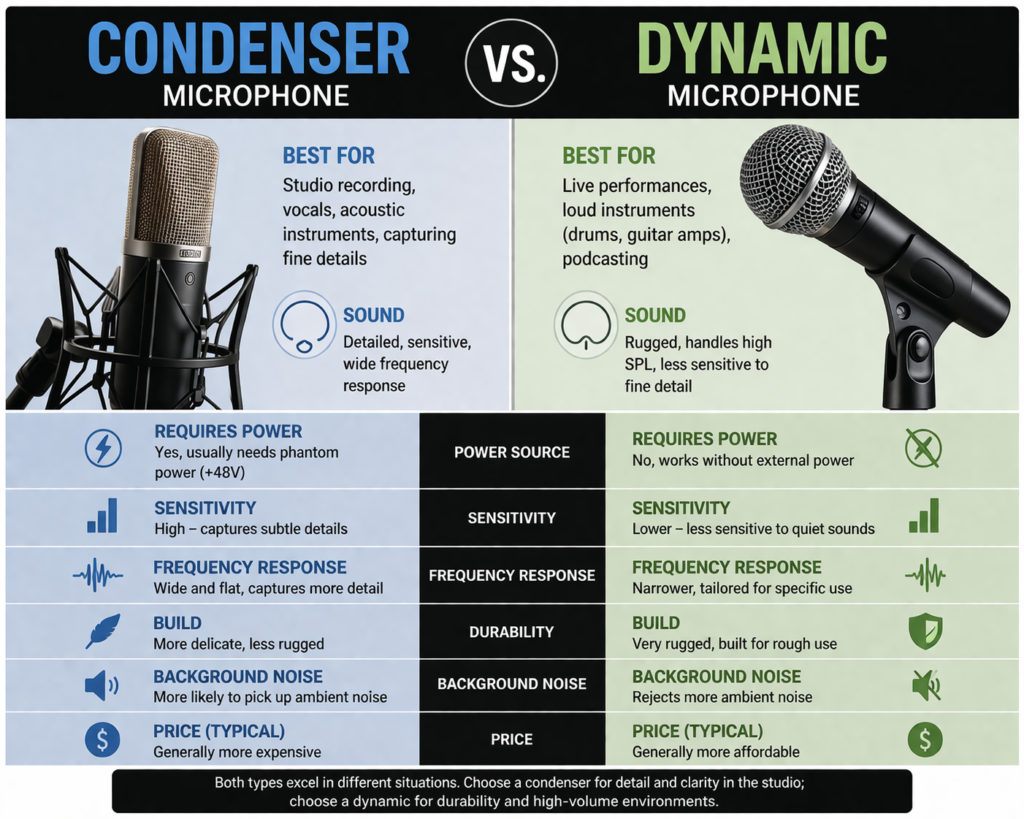
In this detailed guide, we will compare condenser vs dynamic microphones, explore their advantages and disadvantages, and help you decide which one suits your needs best.This infographic presents a clear, side-by-side comparison between condenser and dynamic microphones, helping readers quickly understand their key differences and ideal uses. On the left side, the condenser microphone is shown as the preferred choice for studio recording, vocals, and acoustic instruments. It highlights features such as high sensitivity, wide frequency response, and the ability to capture fine details. However, it also notes that condenser microphones require external power (phantom power) and are more delicate, making them better suited for controlled environments.
🎧What is a Condenser Microphone? (Condenser vs Dynamic Microphone)
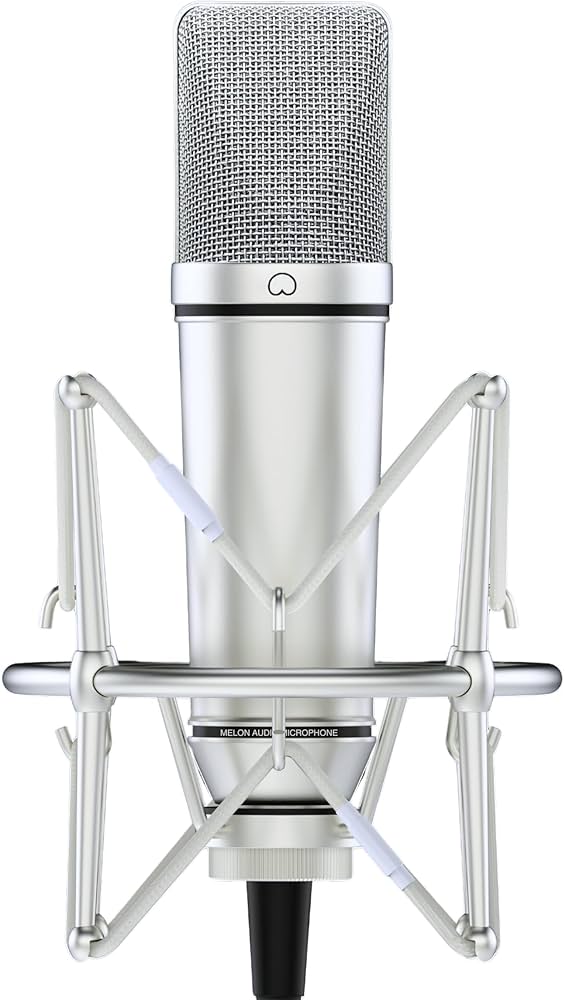
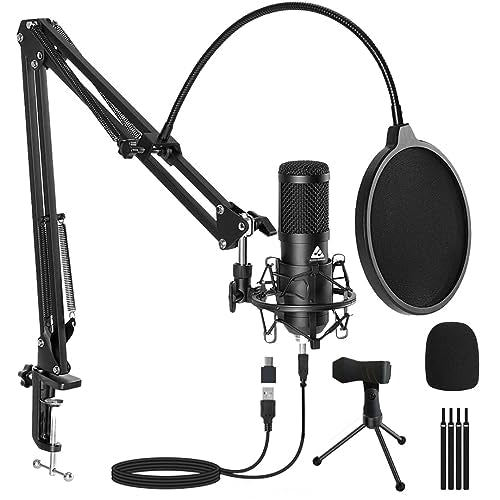
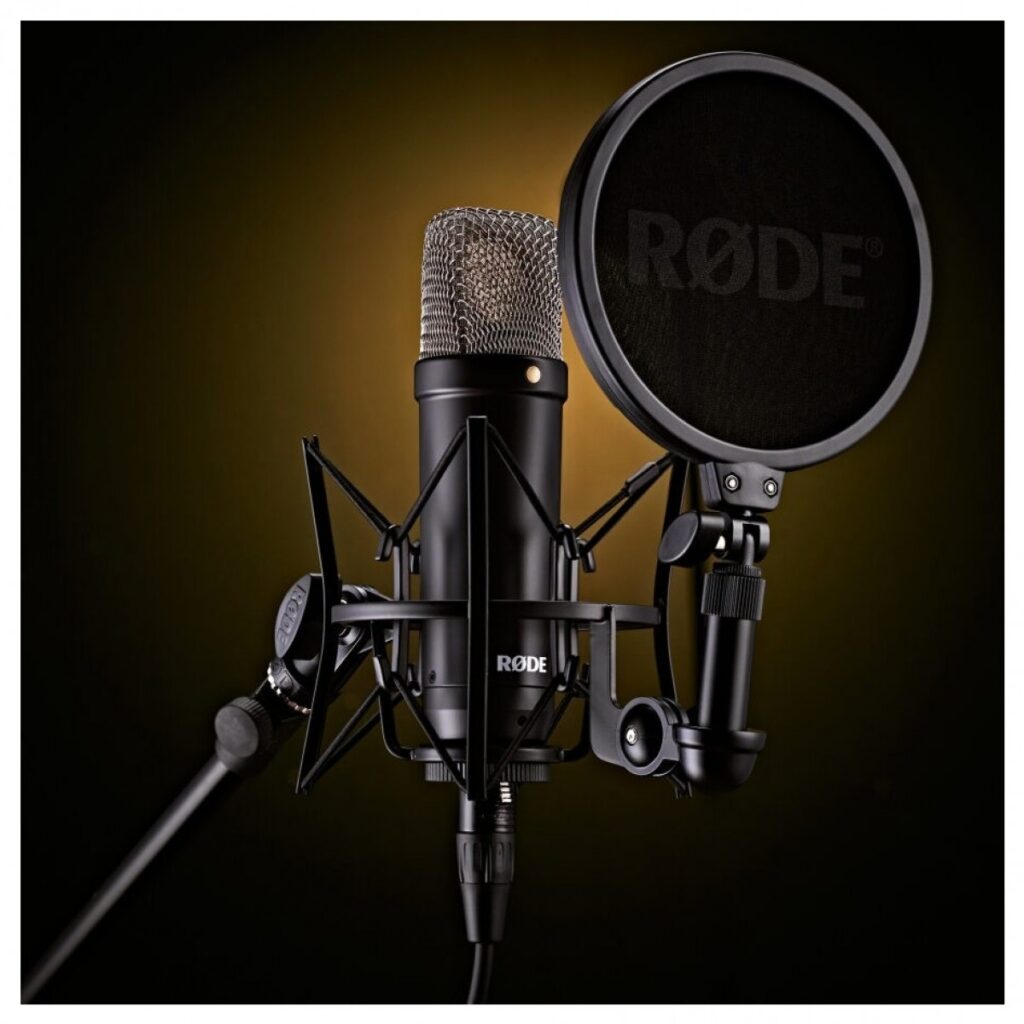
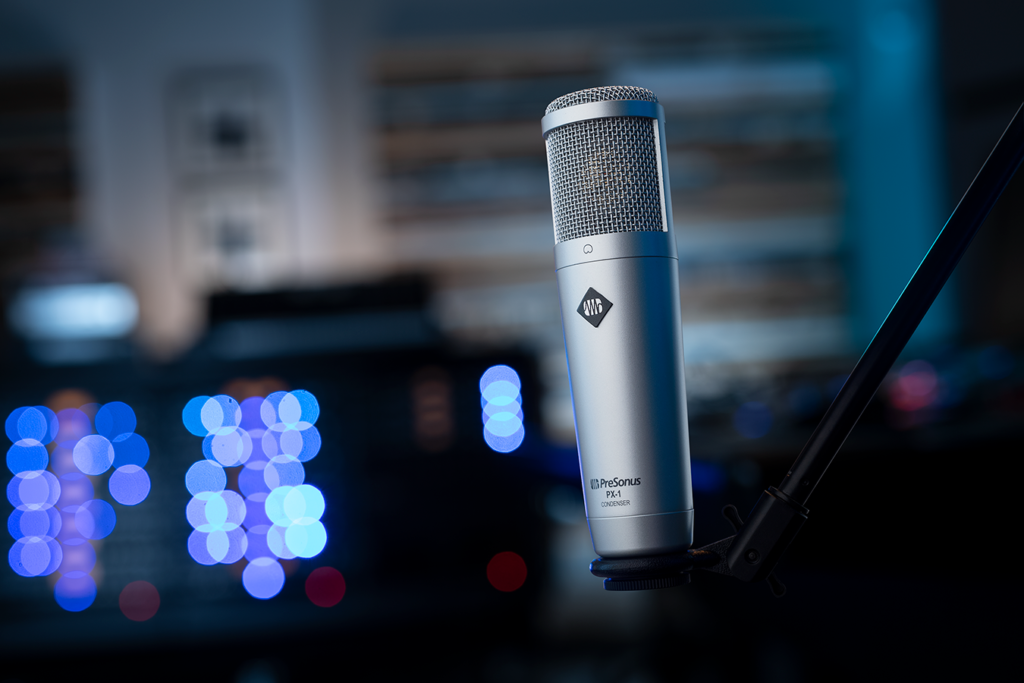
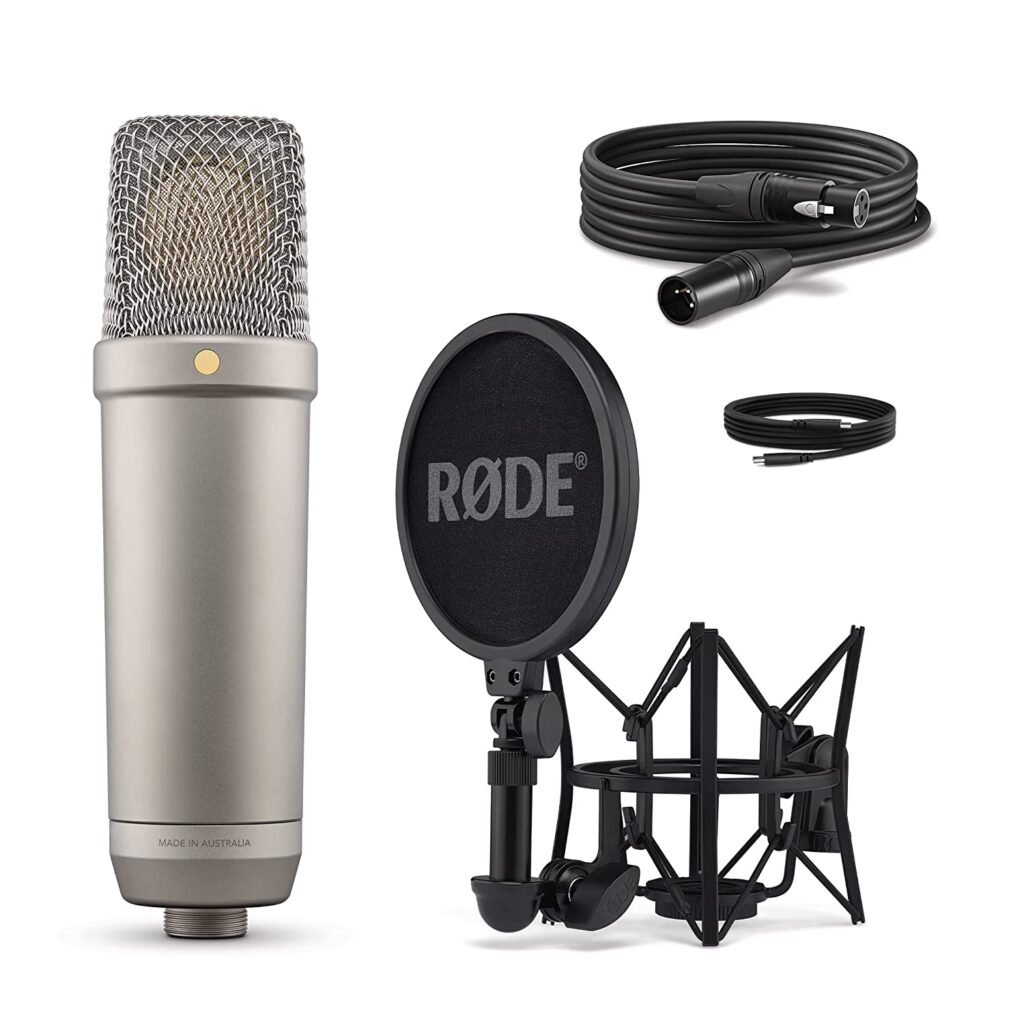
A condenser microphone uses a capacitor (condenser) to convert sound waves into electrical signals. It has a very thin diaphragm that responds quickly to sound, capturing even the smallest details.
Key Features:
- High sensitivity
- Wide frequency response
- Requires phantom power
- Ideal for studio recording
Common Uses:
- Vocal recording
- Podcasting
- Acoustic instruments
- Studio production
🎤What is a Dynamic Microphone? (Condenser vs Dynamic Microphone)
A dynamic microphone works using electromagnetic induction. It is less sensitive than a condenser mic and built to handle high sound pressure levels.
Key Features:
- Durable and rugged
- No external power required
- Handles loud sounds easily
- Less sensitive to background noise
Common Uses:
- Live performances
- Stage singing
- Drums and amplifiers
- Outdoor recordings
⚖️ Condenser vs Dynamic Microphone: Key Differences
| Feature | Condenser Microphone | Dynamic Microphone |
| Sensitivity | Very high | Low to moderate |
| Sound Quality | Detailed and clear | Warm and focused |
| Power Requirement | Needs phantom power | No power needed |
| Durability | Fragile | Very durable |
| Best Use | Studio recording | Live performance |
| Noise Handling | Picks up background noise | Rejects noise better |
✅ Advantages of Condenser Microphones
- Superior Sound Quality
Captures fine details, making it perfect for vocals and instruments. - Wide Frequency Range
Records both low and high frequencies accurately. - Best for Studio Recording
Ideal for professional environments where clarity matters. - Highly Sensitive
Picks up subtle nuances in voice and music.
❌ Disadvantages of Condenser Microphones
- Sensitive to Noise
Captures unwanted background sounds easily. - Requires Phantom Power
Needs an audio interface or power source. - Fragile Build
Not suitable for rough handling or live stage use. - Expensive
Generally costlier than dynamic microphones.
✅ Advantages of Dynamic Microphones
- Highly Durable
Built to withstand drops and rough use. - Noise Rejection
Excellent for noisy environments. - No External Power Needed
Plug-and-play convenience. - Perfect for Live Performances
Handles loud sounds like drums and amps easily.
❌ Disadvantages of Dynamic Microphones
- Lower Detail Capture
Does not capture subtle sound nuances. - Limited Frequency Response
Less accurate compared to condenser mics. - Requires More Gain
Needs amplification for softer sounds.
🎯 Which Microphone Should You Choose?
Choose a Condenser Microphone if:
- You are recording in a studio environment
- You want high-quality vocals
- You are into music production or podcasting
Choose a Dynamic Microphone if:
- You perform on stage
- You record in noisy environments
- You need a durable and budget-friendly option
📝 Conclusion
Both condenser and dynamic microphones have their own importance in the audio world. If you are a music enthusiast like you, and interested in recording vocals or creating content, a condenser microphone will give you rich and detailed sound. However, for live performance or simple use, a dynamic microphone is a reliable choice.
👉 The best microphone ultimately depends on your purpose, environment, and budget.